
Hello Flamefame!
In this section, I'll be sharing some insights about the names, words, and cultural references used in the story. You'll learn why I chose them, their meanings, and their connection to Hindu culture's rich and ancient traditions. This will help you understand the story better and connect with the world of Rudrakund. I might not be able to explain everything perfectly, but I'll do my best to make it as clear and engaging as possible.
i) Why "Taamas"?
The real spelling of the word is Tamas (तमस्) in Hindi/Sanskrit, but for this story, I chose to spell it Taamas.
"Tamas" means darkness, chaos, and hidden forces. In Hindu philosophy, it is one of the three gunas— fundamental qualities that exist in everything. The three gunas are:
Sattva (सत्त्व) – purity, clarity, and harmony. The energy of light, knowledge, and balance.
Rajas (रजस्) – passion, movement, and desire. The energy of action, ambition, and chaos.
Tamas (तमस्) – darkness, inertia, and destruction. The energy of hidden forces, secrets, and endings.
I chose Taamas because this story is built around shadows, secrets, and restless pasts. Rudrakund, the fire, and the spirits carry this energy—showing how darkness can shape fate, awaken legends, and stir the hearts of those brave enough to face it.
ii) Why I chose name Rudrakund (रुद्रकुंड) for village?
Rudrakund is a name I created from two powerful Sanskrit words: Rudra and Kund.
Rudra: A fierce form of Lord Shiva, representing storms, destruction, and transformation.
Kund: A sacred pond or water body, often connected to rituals and ancient energy.
Together, Rudrakund means "The Pool of Rudra" — a place of mystery, power, and secrets that linger long after the night ends. I chose this name because the village in the story holds beauty and danger, a witness to events that refuse to stay buried.
iii) Shivaratri (शिवरात्रि)
Shivaratri means "The Night of Shiva" and is a sacred festival dedicated to Lord Shiva. Observed on the 14th night of the dark fortnight in Phalguna (Feb–Mar), devotees fast, meditate, and stay awake all night to honour Shiva.
In Taamas, Shivaratri marks when the veil between worlds thins, allowing past secrets and restless spirits to stir. It symbolises the triumph of light over darkness, much like Rithvik returning to Rudrakund to uncover hidden truths.
(And also as you i think now noticed, that Rudra is another name of Mahadev and the villagers are big devotees of mahadev this is enough to know about this hehehe otherwise you will get spoiler).
iv) Temple Bells & Anklets (घंटी और पायल)
Temple Bells (घंटी): In Hindu temples, bells are rung to invite the deity's presence and dispel negative energy. Their sound is considered auspicious, signalling devotion and spiritual awakening.
Anklets (पायल): Traditionally worn by women, anklets chime with movement, symbolising grace and presence. In Taamas, the sound of anklets becomes an eerie marker, hinting at the lingering spirit of Sharvani Singhvi.
v) Sharvani's Bridal Attire and the Fire
Significance: Sharvani's lehenga, sindoor, bangles, and anklets are not just clothing—they are cultural symbols. In Hindu tradition:
Lehenga & Jewellery: Represent purity, beauty, and auspiciousness for a bride.
Sindoor: A mark of marital status and sacred protection.
Anklets (पायल): Often symbolise movement, rhythm, and divine connection, as their chimes are linked to spiritual presence.
The Fire:
Fire holds a dual role in Hinduism—sacred (Agni in rituals) and destructive.
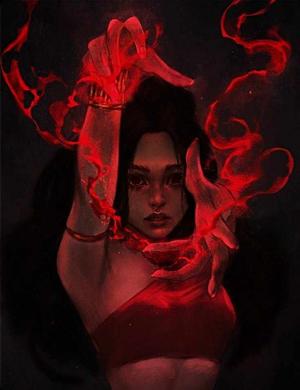
The tragic fire in Sharvani's story symbolises both ritualistic judgment and divine wrath, leaving a mark on the village and the bloodline.
In Taamas: The imagery of fire and bridal attire weaves together ritual, punishment, and legacy, showing how tradition can be both beautiful and terrifying.
Write a comment ...